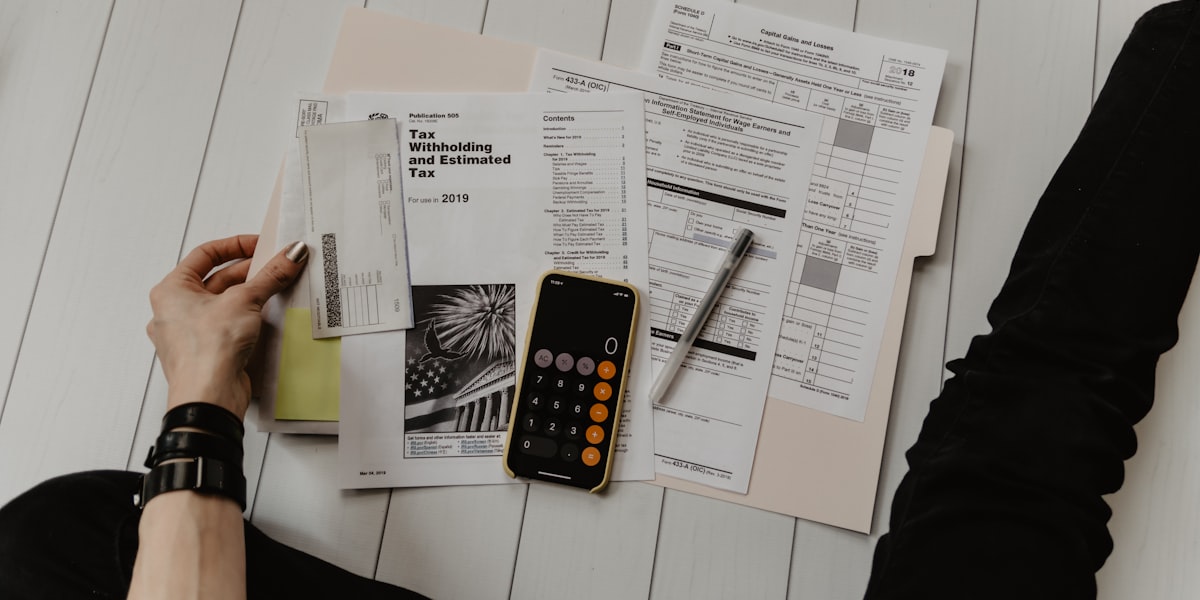
Closing costs often catch buyers and sellers by surprise. These fees and expenses beyond the home's purchase price can total thousands of dollars, significantly impacting your budget and net proceeds.
In Texas, closing costs follow some unique customs and regulations. Understanding exactly what you'll pay, who pays what, and how to potentially reduce these costs helps you budget accurately and negotiate effectively.
This comprehensive guide breaks down every closing cost component for both buyers and sellers in Texas, with real examples, money-saving tips, and what to expect at the closing table.
Buyer Closing Costs in Texas
Buyers typically pay 2-5% of the purchase price in closing costs. On a $300,000 home, expect $6,000-$15,000 in total costs beyond your down payment.
Complete Breakdown of Buyer Closing Costs
| Cost Item | Description | Typical Amount |
|---|---|---|
| Loan Origination Fee | Lender's fee for processing your loan | 0.5-1% of loan ($1,500-$3,000 on $300K) |
| Discount Points (Optional) | Pay upfront to reduce interest rate | 1 point = 1% of loan ($3,000 on $300K) |
| Appraisal Fee | Professional agent matching for lender | $450-$600 |
| Credit Report Fee | Pulling your credit from all three bureaus | $30-$75 |
| Underwriting Fee | Lender reviews and approves your loan | $400-$800 |
| Title Search | Research to verify clear title | $200-$400 |
| Lender's Title Insurance | Protects lender (required by lender) | $300-$600 |
| Owner's Title Insurance | Protects you (seller often pays in DFW) | $2,700 on $300K (if you pay) |
| Survey | Verifies property boundaries | $400-$600 |
| Home Inspection | Professional property examination | $300-$500 |
| Recording Fees | County records your deed | $200-$400 |
| Escrow/Prepaid Items | Property taxes, insurance, HOA (2-6 months) | $1,000-$3,000 |
| Homeowner's Insurance (1 year) | Required by lender, paid at closing | $1,200-$2,500 |
| HOA Transfer Fee (if applicable) | HOA admin and document fees | $200-$500 |
Example: Buyer Closing Costs on $300,000 Home
💡 What Are Prepaid Items?
Prepaid items (also called escrow deposits) are not fees paid to your lender or title company. This is your own money deposited into an escrow account to pay future property taxes and insurance. You're essentially pre-funding your tax and insurance escrow account so monthly payments can be made on your behalf. This typically includes 2-6 months of property taxes and 2-3 months of homeowner's insurance.
Understanding Title Insurance in Texas
Texas requires both buyer and seller to purchase title insurance, but who pays for what varies by local custom.
Owner's Title Insurance: Protects you (the buyer) against title defects, liens, or ownership disputes. In DFW, the seller traditionally pays for the owner's policy, though this is negotiable. Cost is approximately 0.9% of purchase price.
Lender's Title Insurance: Protects your mortgage lender. You (the buyer) always pay this. Cost varies but typically $300-$600.
Texas regulates title insurance rates, so costs are the same regardless of which title company you use. Shop based on service quality and convenience, not price.
Seller Closing Costs in Texas
Sellers typically pay 6-10% of the sale price in closing costs, with real estate commissions being the largest expense.
Complete Breakdown of Seller Closing Costs
| Cost Item | Description | Typical Amount |
|---|---|---|
| Real Estate Commission | Split between listing and buyer's agent | 5-6% of sale price ($17,500-$21,000 on $350K) |
| Owner's Title Insurance | Protects buyer (seller pays in DFW) | ~0.9% of sale price ($3,150 on $350K) |
| Title Company Closing Fee | Title company administrative costs | $300-$600 |
| Survey (if buyer requests) | Updated property boundary survey | $400-$600 |
| Prorated Property Taxes | Your share of annual taxes through closing | Varies (could be $0 or several thousand) |
| HOA Document Fee (if applicable) | HOA provides resale certificate | $200-$400 |
| Seller Concessions (if negotiated) | Contributing to buyer's closing costs | $0-$10,500 (0-3% of price) |
| Repairs/Credits (if negotiated) | Items from inspection | $0-$5,000+ (varies widely) |
| Mortgage Payoff | Remaining balance on your loan | Varies (your remaining balance) |
Example: Seller Closing Costs on $350,000 Sale
Understanding Property Tax Proration
Property taxes in Texas are paid in arrears (you pay in November for the previous January-December). At closing, taxes are prorated based on how many days you owned the home during the tax year.
Example: If you sell on June 1, you owe 5 months of property taxes (January-May). This amount is credited to the buyer at closing, so they can pay the full year's tax bill in November.
If you've already paid the full year's taxes, you receive a credit from the buyer for the months they'll own the home.
How to Reduce Closing Costs
For Buyers
- Negotiate seller concessions: Ask the seller to contribute 2-3% toward your closing costs, especially in balanced or buyer's markets
- Shop lenders: Origination fees and underwriting fees vary significantly between lenders. Get quotes from at least three lenders
- Avoid discount points: Unless you plan to stay 7+ years, paying points rarely pays off
- Close at month-end: You pay prepaid interest from closing day through month-end. Closing on the 28th vs. the 5th saves hundreds in prepaid interest
- Ask for lender credits: Some lenders offer credits toward closing costs in exchange for slightly higher interest rates
- Review the Loan Estimate: Question any fee that seems excessive. Some junk fees can be negotiated away
- Use existing survey: If the seller has a recent survey, you may be able to use it instead of ordering a new one
For Sellers
- Negotiate commission rates: While 6% is standard, some agents work for less, especially on higher-priced homes. Discuss this upfront
- Make repairs proactively: Fixing obvious issues before inspection prevents buyer repair requests or credits
- Limit concessions: Price your home right from the start to avoid needing to offer concessions to attract buyers
- Time your sale strategically: Selling when tax bills are due means the buyer assumes the tax obligation rather than you crediting them
- Review the settlement statement: Check every line item for accuracy. Mistakes happen and can cost you hundreds
⚠️ No-Closing-Cost Mortgages: Worth It?
Some lenders advertise "no closing cost" loans where they cover your closing costs in exchange for a higher interest rate (typically 0.25-0.5% higher). This can help if you're short on cash, but you'll pay more in interest over the loan's life. Calculate break-even: if the higher rate costs you $75/month more, it takes 3-4 years to recoup $3,000 in closing costs. Only consider if you plan to sell or refinance within a few years.
The Closing Process in Texas
Texas closings happen at a title company, not an attorney's office (unlike some states). Here's what to expect:
3 Days Before Closing: Closing Disclosure
Your lender must provide your Closing Disclosure at least three business days before closing. This details your final loan terms, monthly payment, and exact closing costs. Review it carefully and compare to your original Loan Estimate. Question any fees that increased significantly.
Day Before Closing: Wire Funds
You'll wire your down payment and closing costs to the title company. Personal checks aren't accepted for amounts over $1,000. Call the title company directly (don't rely on emailed wire instructions, as wire fraud is common) to confirm wiring details.
Closing Day: Signing
Expect to spend 1-2 hours at the title company signing documents. Bring your driver's license. The title company will explain each document, but key ones include:
- Promissory Note: Your promise to repay the loan
- Deed of Trust: Gives the lender a lien on your property
- Closing Disclosure: Final accounting of all costs
- Deed: Transfers ownership (sellers sign this)
After signing, the title company will record your deed with the county. You'll receive keys and officially own your new home.
Texas-Specific Closing Cost Considerations
No State Transfer Tax
Great news: Texas has no state or county real estate transfer taxes (unlike many states that charge 1-2% of the sale price). This saves thousands compared to states like California or New York.
Regulated Title Insurance Rates
Texas Department of Insurance regulates title insurance rates, so you'll pay the same amount regardless of which title company you use. Choose based on service, not price.
Seller Pays Owner's Title Insurance (Usually)
In DFW and most of Texas, the seller traditionally pays for the owner's title insurance policy. However, this is negotiable and can be addressed in your purchase contract.
High Property Taxes
Texas property taxes are among the highest in the nation (averaging 1.8-2.5% of home value annually). This significantly impacts prorated taxes at closing and your monthly escrow payments.
Closing costs can vary by location within DFW. If you're buying or selling in Dallas, Plano, Fort Worth, or Frisco, connect with a local agent who can give you an accurate estimate for your specific area. Property tax rates, title fees, and typical negotiation leverage all vary by city and neighborhood.
Frequently Asked Questions
Buyers in Texas typically pay 2-5% of the purchase price in closing costs. On a $300,000 home, expect $6,000-$15,000 in total costs beyond your down payment. This includes lender fees (origination, underwriting, appraisal), title insurance for the lender's policy, survey, recording fees, home inspection, and prepaid items (property taxes, homeowner's insurance, and escrow deposits). The wide range depends on your loan type, lender fees, and how much you prepay into escrow. FHA and VA loans may have additional costs. Ask your lender for a Loan Estimate within three days of applying, which itemizes all expected costs.
In Texas, particularly in the DFW area, the seller traditionally pays for the owner's title insurance policy (which protects the buyer), while the buyer pays for the lender's title insurance policy (which protects the mortgage company). The owner's policy costs approximately 0.9% of the purchase price, while the lender's policy typically costs $300-$600. However, this is negotiable and specified in the purchase contract. In some Texas markets, buyers pay both policies. Title insurance rates are regulated by the state, so costs are identical regardless of which title company you use.
Yes, sellers can contribute toward buyer's closing costs in Texas through "seller concessions." Buyers commonly negotiate for 2-3% of the purchase price in seller-paid closing costs, especially in balanced or buyer's markets. However, lenders limit how much sellers can contribute based on loan type: FHA loans allow up to 6%, conventional loans with 10%+ down allow up to 6%, conventional loans with less than 10% down allow 3%, and VA loans allow up to 4%. Seller concessions are popular when buyers are short on cash for closing or as a negotiating point after inspections reveal needed repairs.
Sellers in Texas typically pay 6-10% of the sale price in total closing costs. The largest expense is real estate commissions (5-6% split between buyer and seller agents, or $17,500-$21,000 on a $350,000 sale). Other costs include owner's title insurance policy (approximately 0.9% or $3,150 on $350K), title company fees ($300-$600), prorated property taxes (varies based on closing date), survey if buyer requires ($400-$600), HOA document fees if applicable ($200-$400), and any negotiated seller concessions (0-3%) or repair credits ($0-$5,000+). On a $350,000 sale, total costs typically range from $28,000-$35,000 before mortgage payoff.
Some closing costs are tax deductible in the year of purchase, while others are not. Generally deductible: mortgage interest paid at closing (prepaid interest), property taxes paid at closing, and discount points paid to buy down your interest rate (must meet IRS requirements). Not deductible: title insurance, appraisal fees, inspection fees, attorney or closing fees, credit report fees, and recording fees. However, some non-deductible costs can be added to your home's cost basis, which reduces capital gains tax when you eventually sell. Keep all closing documents for tax purposes. Consult a qualified tax professional for advice specific to your situation, especially if the property is an investment or rental.
Ready to find your perfect home?
Get matched with a DFW agent for free. No obligation, no fees.
Get Matched NowReady to Buy or Sell in DFW?
Understanding closing costs helps you budget accurately and negotiate effectively. Connect with experienced professionals who can guide you through the process.
I'm Buying I'm Selling